Mobile games have long stopped being simple “time-killers,” a way to pass time in a queue or while commuting, either online or offline. They have become full-fledged worlds you want to stay in, explore and return to again and again. Some players happily spend their time working through mobile puzzle levels one by one, while others seek more — and find it.
Let’s clarify: we call these games mobile because of smartphones — the platform where they originally appeared. And today, versions of these apps are released for free even for PC, including popular digital stores like Steam.
Popular Game Mechanics
Before diving deeper, let’s define the term. A game mechanic is a certain method that forms the way a player interacts with the game. Put simply: it’s “how exactly” you play. Do you search for items? Connect elements on the field? Control a character? Build structures? Complete quests? It’s the combination of different mechanics that makes a game a unique form of entertainment.
Today, the most popular and best mechanics are hybrid. Different elements from different systems merge together to give players a multidimensional experience. They always rely on a basic mechanic — perhaps one that existed at the dawn of the genre — but the way it absorbs new parameters (time limits, cooperative play, customization options, etc.) determines how interesting it becomes.
Time-Based Mechanics
These are elements where progress or rewards are directly tied to a time limit. For example:
- Waiting for construction, renovation or unlocking. Buildings in meta progression aren’t built instantly; they take hours or days.
- Limited-time events. Players have exactly one week to find items, complete a collection or beat special levels.
- Daily missions and bonuses. You must log in at least once per day or lose your reward.
Such mechanics can be found across many genres, and they are popular because exclusive rewards often stand behind them. These mechanics constantly appear in games familiar to many readers of this blog.
Puzzle-Based Mechanics
Everyone knows mobile puzzles — some started with early “match-3” titles, while others loved searching for hidden items on the screen. But times change, and now the match-3, hidden object and mahjong genres offer full-scale adventure experiences where puzzles blend with stories and charismatic characters in a realistic way.
Match-3: A Classic That Never Stands Still
Everyone knows match-3 games that you’re often able to play for free. Connect three or more identical elements — and enjoy the explosion of effects on the screen. Levels gradually become challenges, and completing each one is deeply satisfying.
But just “match three in a row” is no longer enough for companies. That’s why an expansive meta game is built around the core loop. These are game elements not directly tied to the basic mechanic but making the process richer and more diverse. These may include story cutscenes, city building, global map progression, guild participation, the ability to collect artifacts or decorations and sometimes even heroes or collectible cards.
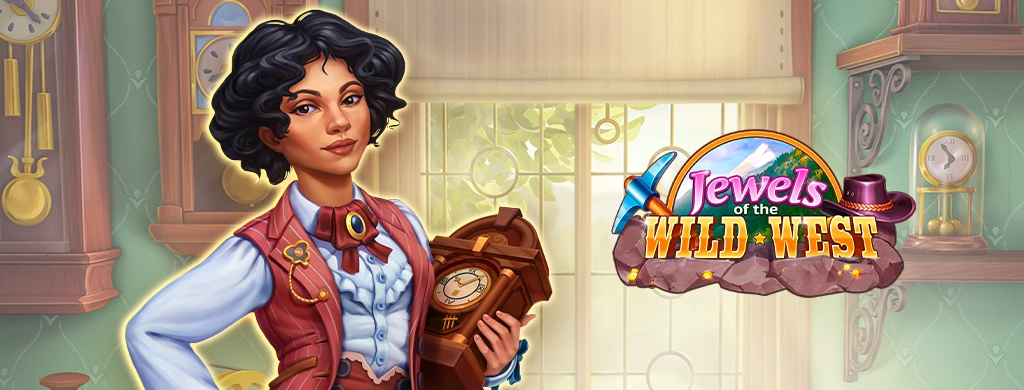
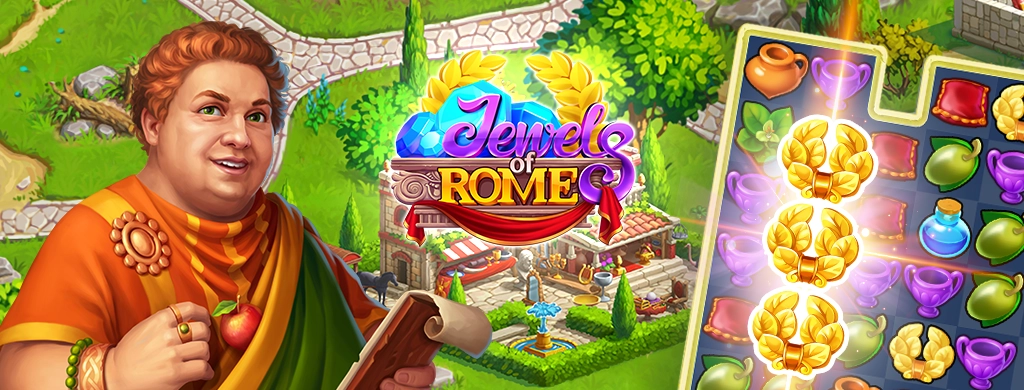
In the Jewels series from G5 Games, many of these elements are present. In Jewels of Rome, Jewels of Egypt and Jewels of the Wild West, the player isn’t just “clearing the field.” Completing levels lets them rebuild settlements, unlock new territories and move through the storyline step by step. Sometimes, match-3 is not just “connect gems and forget” — it becomes the player’s direct contribution to rebuilding a world they want to play now and return to often.

Hidden Object: Searching With a Story
Hidden object games aren’t limited to a dry “find the item.” Many win their audience through atmosphere and narrative. Today you can find many free full version releases ranging from simple “find 10 items” challenges to entire story-driven investigations — detective or mystical.
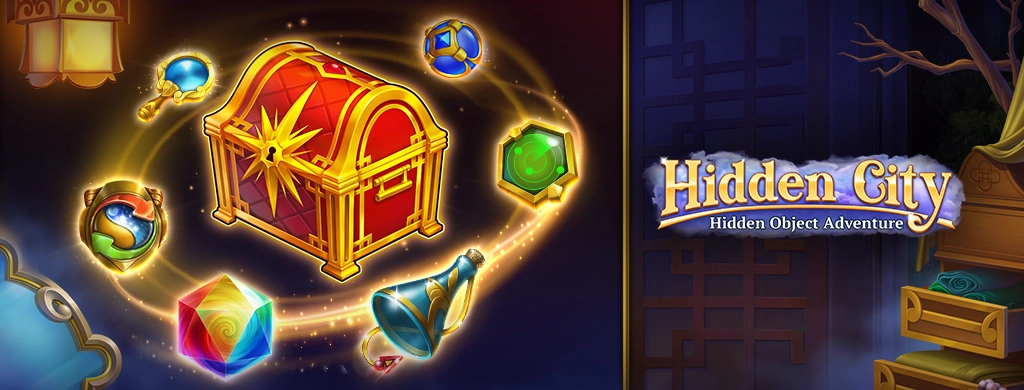
In Hidden City, the player finds themselves in a mystical town where magic and science coexist, and searching for items becomes the key to unraveling dark secrets. The Secret Society lets you feel like part of a secret brotherhood, travel between worlds and uncover family mysteries through magical photographs. Sherlock even combines hidden object and match-3, allowing players to choose their preferred style and explore themes related to the famous detective and other world-renowned books, creating an exciting mix.
A Stylish Mahjong Adventure
Today, it’s easier than ever to download and quickly install a mahjong game on a smartphone or computer, settle in and enjoy calm but engaging logic puzzles.
Mahjong isn’t just pairing identical tiles under relaxing music. Behind the simple “find the pair” mechanic lies a quiet refuge you enter when you need a short time-out.
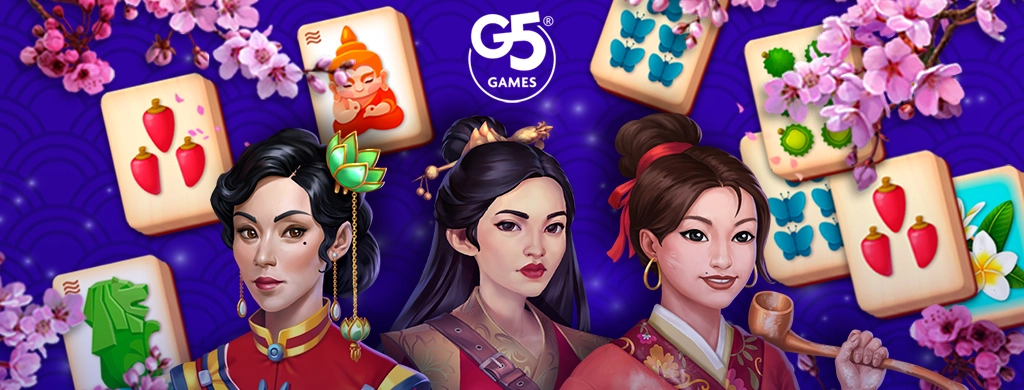
These games can also hide unique stories. In Mahjong Journey, you travel across continents to help a girl and her pet find their missing family. You can also dive into the storylines of Jewels of Egypt or Jewels of the Wild West through their mahjong versions — Pyramid of Mahjong and Sheriff of Mahjong.
Some projects enrich the experience with collections, events, maps or story elements forming a solid meta — no worse than in match-3 or hidden object — making each level a small step in a grand adventure.
The Meta That Makes a Game “Alive”
Modern mobile puzzles almost always include mechanics that frame the core gameplay. These include journals and chronicles where new pages unlock after completing scenes, offering character and plot details. There are also global maps filled with activities: players open new regions, build and upgrade locations and watch the map visually grow with account level.
Sometimes the added layer introduces mechanics that could form their own genre — for example, merge elements in match-3 games, letting players combine items to produce new ones.
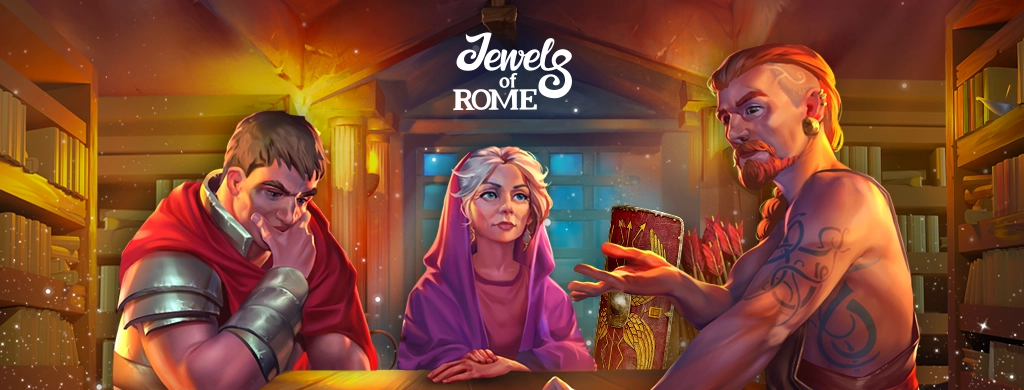
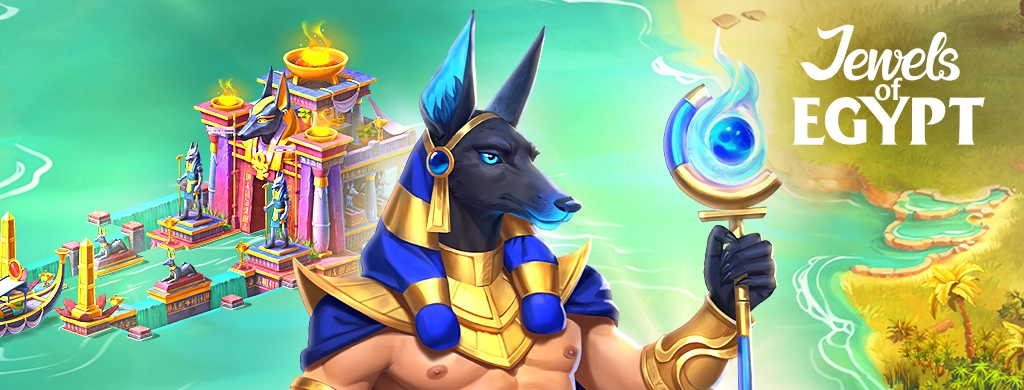
And then there’s communication and collaboration! The social aspect grows increasingly important, inspiring new mechanics. Players join alliances (guilds, unions, etc. — there are countless names), complete cooperative events, gather resources together and earn rewards. A good example is the alliances forming the Magistrate in Jewels of Rome and the House of Architects in Jewels of Egypt, where players help each other earn valuable rewards and progress.
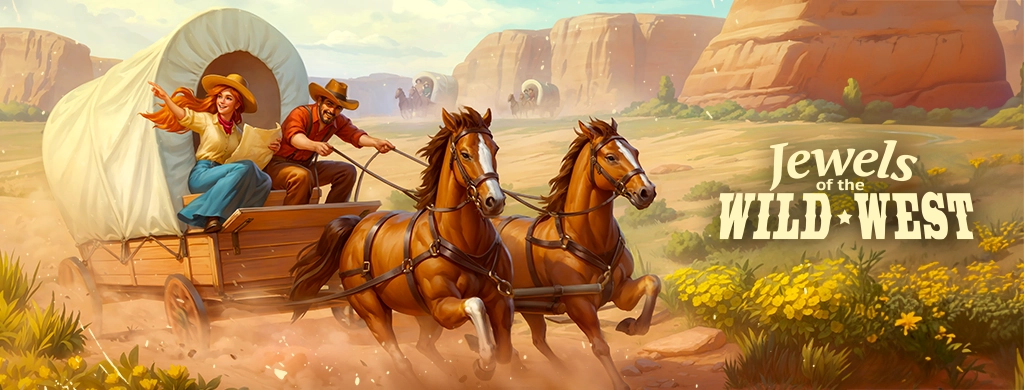
Alternatively, instead of cooperation, a game may introduce motivated competition, where players race through match-3 levels for speed. Chariot Races in Jewels of Egypt? Trireme Races in Jewels of Rome? Stagecoach races in Jewels of the Wild West? Players can join these competitions automatically — and progressing through levels helps their chariot or trireme reach the finish line.
Developers also add features from entirely different genres. For example, a small virtual companion with ears and a tail who follows the player, gives bonuses and delights them with animations.
Or a battle royale — not PUBG or Fortnite, of course, but a mini-tournament where many players compete in completing levels. The big battle royale genre may be past its peak, but its puzzle-game variation remains fun for many.
There are also endurance races: whoever completes several levels without a single loss gets bigger rewards. These events show how classic genres can be enriched with fresh ideas.
Accumulative Mechanics
Accumulation/stacking mechanics follow this rule: the more elements you gather or combine, the more powerful the effect. Match-3 players see this daily.
Connecting more than three items can “blow up” the entire board. Collecting items in games with collection elements lets you trade them for rare or stronger artifacts. Many projects rely on combining resources (gold, energy, items) to unlock something meaningful. Over time, small steps build into huge results.
The Battle Pass as a Game Mechanic
The battle pass deserves a separate mention — a mechanic that has become an industry standard. Fortnite popularized it, and soon battle passes began appearing in almost every significant project. Mobile puzzle games adopted it too.
A battle pass works like this:
- the player has a progress bar, often beautifully styled for the game’s current theme;
- completing missions (“beat three levels,” “collect 30 green items,” “gather gifts on the map,” etc.) awards battle-pass XP, raising its level;
- each level unlocks rewards, such as unique decorations, avatars, useful items, energy boosts or tools;
- there are free and paid progress tracks, or “tiers.”
The paid tier usually contains more rewards — or more unique ones.
The key is that the player always knows what reward is coming next. And the best part: to progress the battle pass, you don’t need to do anything special — just play the game as usual. Even a short session becomes a step toward something bigger, and everyday gameplay yields more bonuses.
Even classic genres can become fresh and exciting over time. Everything depends on how they grow new, modern mechanics and ideas. And if you seek not just a mobile game but an entire world with story, surprises and challenges — these titles are for you.